
low iron glass mirror
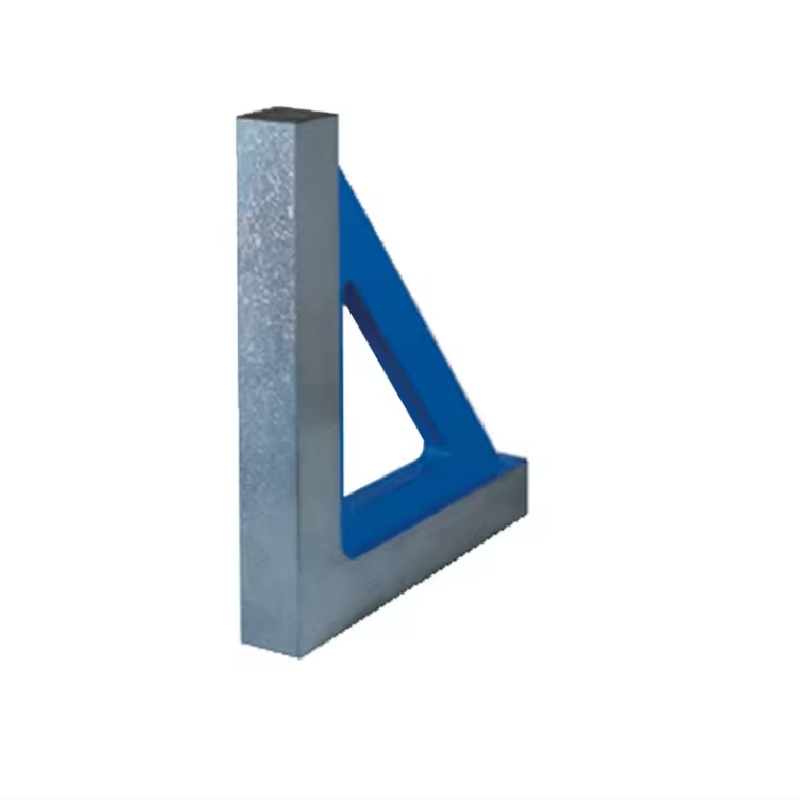
The Importance of Granite Angle Plates in Precision Engineering In the realm of precision engineering and manufacturing, maintaining accuracy and stability during the measurement and machining processes is paramount. This is where granite angle plates come into play. Renowned for their durability and precision, granite angle plates have become indispensable tools for engineers, machinists, and quality assurance professionals alike. Granite angle plates are essentially flat, rectangular stones made from natural granite, polished to achieve a smooth surface finish. They are typically used as a reference surface for measurement and assembly tasks, providing a robust and stable platform for various applications. One of the standout features of granite as a material is its dimensional stability, which means that it does not expand or contract significantly with changes in temperature or humidity. This property is crucial when working with high precision machinery, where even the slightest deviation can lead to errors in measurements and outcomes. A key application of granite angle plates is in the alignment and setup of machines and workpieces. During machining processes, ensuring that components are positioned accurately is essential for achieving the desired results. Granite angle plates serve as a reliable reference surface for aligning parts, helping to avoid misalignment issues that could compromise the quality of the final product. Their durability allows them to withstand the rigors of industrial environments, making them a long-lasting investment for manufacturers. granite angle plate Moreover, granite angle plates contribute significantly to the inspection and quality control processes. In manufacturing, precision is non-negotiable; hence, the need for accurate measurements is vital . These plates provide a stable surface for the placement of items being measured, ensuring consistent results. Inspectors often employ granite angle plates in conjunction with precision measuring tools such as calipers and dial gauges to verify the dimensions and tolerances of machined components. The flatness and smoothness of the granite surface minimize the risk of errors that could arise from warping or uneven surfaces. Apart from their technical advantages, granite angle plates are also aesthetically pleasing. The natural beauty of granite, with its unique patterns and colors, adds an element of sophistication to workshops and inspection areas. This visual appeal, combined with their functional benefits, makes granite angle plates not just tools, but also a symbol of craftsmanship and quality in the engineering field. In terms of maintenance, granite angle plates are relatively easy to care for. Regular cleaning and the application of a protective surface coating can help preserve their integrity and accuracy over time. It is important to handle them with care to prevent chipping or cracking, as these can impact their performance and measurement capabilities. In conclusion, granite angle plates play a crucial role in the field of precision engineering. Their inherent properties, such as stability and durability, make them essential for alignment, assembly, and quality control processes. As industries continue to demand higher levels of accuracy and consistency, the relevance of granite angle plates remains unwavering. For engineers and machinists aiming for precision in their work, investing in a quality granite angle plate is not just a choice; it is a necessity for achieving excellence in manufacturing and engineering practices. Whether used in small workshops or large-scale production facilities, granite angle plates symbolize the intersection of quality, reliability, and precision in the world of engineering.
about
low iron glass mirror
Understanding Special Thread Gages An Essential Tool for Precision Engineering In the realm of precision engineering, ensuring the integrity of threaded components is paramount. Special thread gages play a crucial role in achieving this goal by providing a reliable means of measuring and inspecting threaded features in various materials. These specialized tools are integral to the manufacturing and quality assurance processes across industries such as aerospace, automotive, and construction. This article delves into the definition, types, applications, and importance of special thread gages in modern engineering. What Are Special Thread Gages? Special thread gages are precision instruments designed to measure the profile and dimensions of threaded components accurately. Unlike standard thread gages, which cover a broad range of thread types and sizes, special thread gages are tailored for specific applications, configurations, or materials. They come in various designs, including plug gages, ring gages, and setting gages, each serving distinct purposes in the quality control process. Types of Special Thread Gages 1. Plug Gages These gages are used to check the internal threads of holes. A plug gage is inserted into the threaded hole to assess both the pitch diameter and the major diameter. If the gage fits correctly, it suggests that the internal thread is within the specified tolerances. 2. Ring Gages Conversely, ring gages are designed for external threads. They are used to measure the dimensions of bolts, screws, and other externally threaded items. Like plug gages, a ring gage must fit the external thread appropriately to indicate that it meets required specifications. 3. Setting Gages These are often used to set up machines or tools to ensure that they are calibrated correctly for producing threaded components. Setting gages provide a standard reference that can help maintain consistent quality during production. 4. Go/No-Go Gages These provide a binary assessment – either the threaded component meets the specifications (Go) or it does not (No-Go). This type of gage is crucial for efficient quality control, minimizing the time needed for testing. 5. Specialty Gages In some cases, engineers require gages tailored for unique thread profiles or sizes that are not commonly found. These custom gages are designed based on the specifications of the particular project at hand, ensuring precision and accuracy. Applications of Special Thread Gages special thread gages Special thread gages are vital in various applications where threaded components are utilized. In aerospace engineering, for example, the reliability of screws and bolts is critical for safety . Any defect in these components can have catastrophic consequences. Therefore, stringent quality control measures are employed, with special thread gages being instrumental in verifying the integrity of these parts. In the automotive industry, manufacturers often use special thread gages to inspect engine components, transmission parts, and other critical assemblies. Ensuring the proper fit of threaded components can lead to improved performance, reduced wear, and a longer lifespan for vehicles. Construction also heavily relies on special thread gages, particularly in the inspection of fasteners used in structural applications. Given that these fasteners bear significant loads, their quality and integrity must be guaranteed to ensure the safety and stability of any structure. The Importance of Special Thread Gages The impact of special thread gages on manufacturing and quality assurance processes cannot be understated. Here are several reasons why they are indispensable 1. Precision and Accuracy Special thread gages are designed to offer precise measurements, which are critical in applications where even minor deviations from specifications can result in significant issues. 2. Cost Efficiency By ensuring that threaded components meet required specifications, manufacturers can avoid the costs associated with rework, waste, and product failures. Special thread gages contribute to streamlined production processes and improved overall efficiency. 3. Safety and Reliability In industries such as aerospace and automotive, the safety of end-users is paramount. Special thread gages help ensure that components will perform as expected under various conditions, thus enhancing reliability and safety. 4. Compliance with Standards Many industries are governed by strict regulations and standards. Special thread gages facilitate compliance with these standards by providing an effective means of measuring and verifying quality. Conclusion Special thread gages are invaluable tools in the world of precision engineering. Their ability to ensure the accuracy and reliability of threaded components contributes significantly to the safety and performance of products in various industries. By investing in high-quality special thread gages, manufacturers can enhance their quality assurance processes, ultimately leading to better products and satisfied customers. As technology advances and the demand for precision continues to grow, the role of special thread gages will undoubtedly remain crucial in the engineering landscape.
-

High quality industrial productsagement

High quality industrial products
View Details -

Meet the diverse needs of customers

Meet the diverse needs of customers
View Details -

Strict quality control

Strict quality control
View Details -

Top raw materials

Top raw materials
View Details -

Trusted supplier

Trusted supplier
View Details
Our application



news and information

wskazuje mikrometr
Indykatory Mikrometryczne Zastosowanie i Właściwości Indykatory mikrometryczne to precyzyjne narzędz

Valve China - Leading Provider of Valve Solutions
Valve China A Gateway to Industrial Innovation Valve China has emerged as a pivotal player in the gl

Venda de válvulas de retenção
Válvulas de Retenção A Escolha Perfeita para Seu Sistema Hidráulico As válvulas de retenção, também
 English